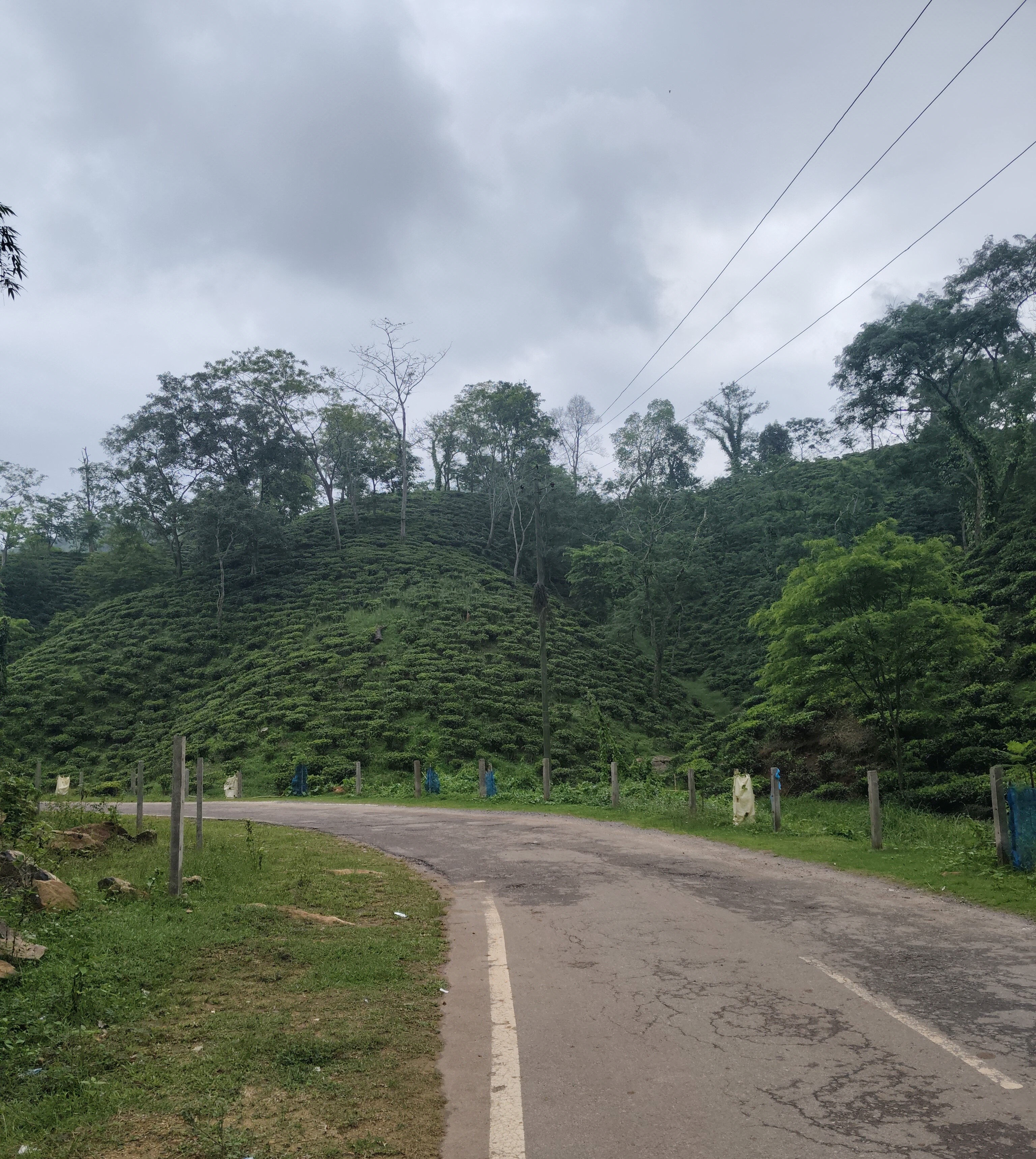
A Tea Garden Is an Ecosystem Before It Is an Estate
To most people, a tea garden brings to mind endless expanses of green fields, neatly trimmed bushes, and the promise of a warm cup of tea. But a tea garden is much more than a beautiful estate with the production of tea in mind. Long before it becomes a commercial space, a tea garden is a living ecosystem that harmoniously integrates nature, man, plants, and wildlife within a sensitive ecological balance. At Amchong Hotels and Resorts, this understanding lies at the heart of the experience. The tea garden here is not just something to look at, it is something to feel, learn from, and respect.
More than just rows of tea bushes
From afar, a tea garden may appear ordered, but inside, it is actually a bewilderingly intricate natural system: Tea bushes coexist with tall shade trees that give cover from the scorching sun and hold moisture in the soil, while offering shelter for birds and insects. Fallen leaves nourishes the soil, acting like natural fertilizer, to encourage healthy plant growth. Under the ground, soil is teeming with life as microorganisms decompose organic matter. Earthworms and insects, among other organisms, take part in maintaining soil fertility. Without this hidden world beneath our feet, tea plants would struggle to survive.
The Role of Water and Climate
One of the most crucial factors involved in a tea garden ecosystem is water. Streams, rainfall, and water draining systems all help to distribute an optimal quantity of water to tea plants. An excess of water might harm the roots, whereas a deficiency might affect the quality of the tea leaves. Further, the climate influences the ecosystem. Soft sunlight, misty mornings, and cooler breeze provide a perfect setting for growing tea. This setting not only affects the growth of the tea plants but also supports a diverse array of living organisms that inhabit such a landscape.
Birds, Insects, and Wildlife
A healthy tea garden embraces biodiversity. Birds act as a pest control force in the garden as they feed on the insects. Butterflies and bees also help in the garden’s pollination exercise. The small mammals are also part of the garden as they move in the shaded sections. Rather than using chemicals extensively, there is an increasing tendency among tea gardens to adopt natural pest control. As long as bird and insect life is healthy, there is little need for human interference.
The Human Connection
The tea garden environment, too, has human elements. For generations, people, including families of tea garden workers, have been living with the land, recognizing its patterns. What they have been doing, from picking the leaves to taking care of the plants, has all been according to tradition. In Amchong, the relation between people and nature is cherished. Firstly, Amchong is more than an organizational setting to its people, as it is a community. The long knowledge chain is beneficial in maintaining a relation between agriculture and conservation.
Sustainability as a Way of Life
A tea garden approached from the point of view of an ecosystem leads to changes in the management practices. Sustainability becomes part of the culture rather than a craze. Taking care of water resources, soil management, and disposal are some of the practices that lead to the conservation of the land for the next generation. Basic practices such as composting organic matter, protecting indigenous trees in the area, and conserving the use of chemicals make a great difference. This ensures that the tea gardens stay healthy and productive.
Experience the Ecosystem as a Guest
When guests come to stay in Amchong Hotels and Resorts, they become a part of such a living system. Take a walk through the tea gardens in the morning, and they can hear and experience the songs of the birds, the sound of leaves, and smell the aroma of the soil. Tourists are encouraged to take in their surroundings. To witness the picking of the tea leaves, to feel the cooling breeze, or to merely sit among the lush environment is to reconnect with nature. This is an important reminder that sometimes luxury is not about opulence; sometimes, luxury is found in simplicity.
From Garden to Cup
Understanding the tea garden as an ecosystem also deepens appreciation for the tea itself. The tea that one consumes contains the element of soil, water, the climate as well as the human intervention. If the environment is treated with respect, this is reflected in the tea. The tea will now have more depth, harmony, and significance.
A Living Legacy
A tea garden is not a thing to be hurried or pressed. It develops slowly over time, influenced by nature and the seasons. Understanding that it is first an ecosystem and only secondarily an estate secures its future. At Amchong Hotels and Resorts, the tea garden is alive to remind one that harmony with nature gives enduring value. It is a place where land, life, and legacy converge in quiet grace and purpose.
