VISITING TEA PLANTATIONS
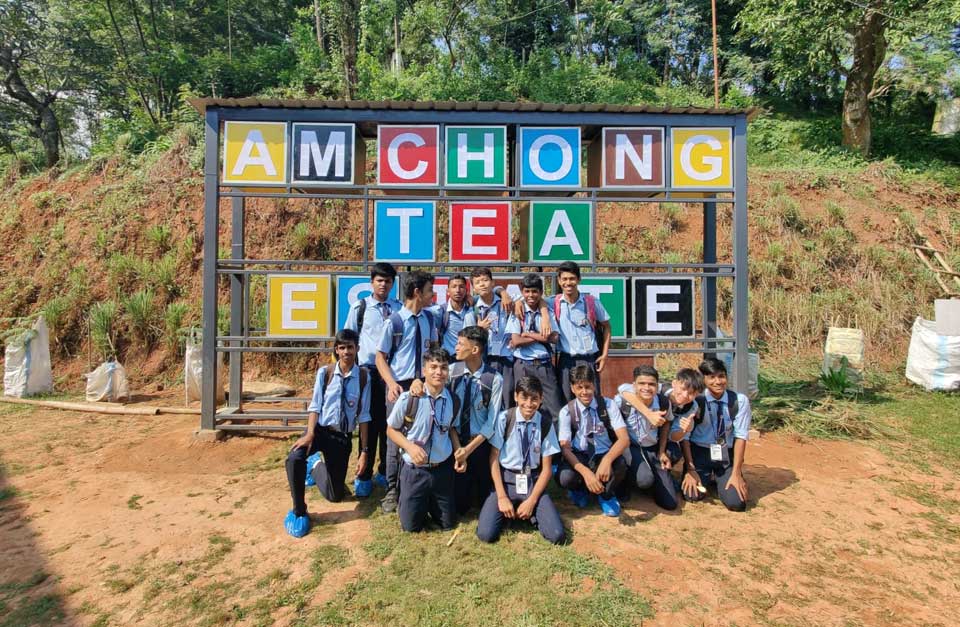
Tour of the Plantation
Students can walk through tea gardens, learn about different varieties of tea plants, and understand the process of tea cultivation. They’ll see firsthand how tea is grown, cared for, and harvested.
Interaction with Local Workers
Meeting plantation workers can give students insight into the daily routines, hard work, and culture of tea farmers.
UNDERSTANDING THE PRODUCTION PROCESS
Factory Tour
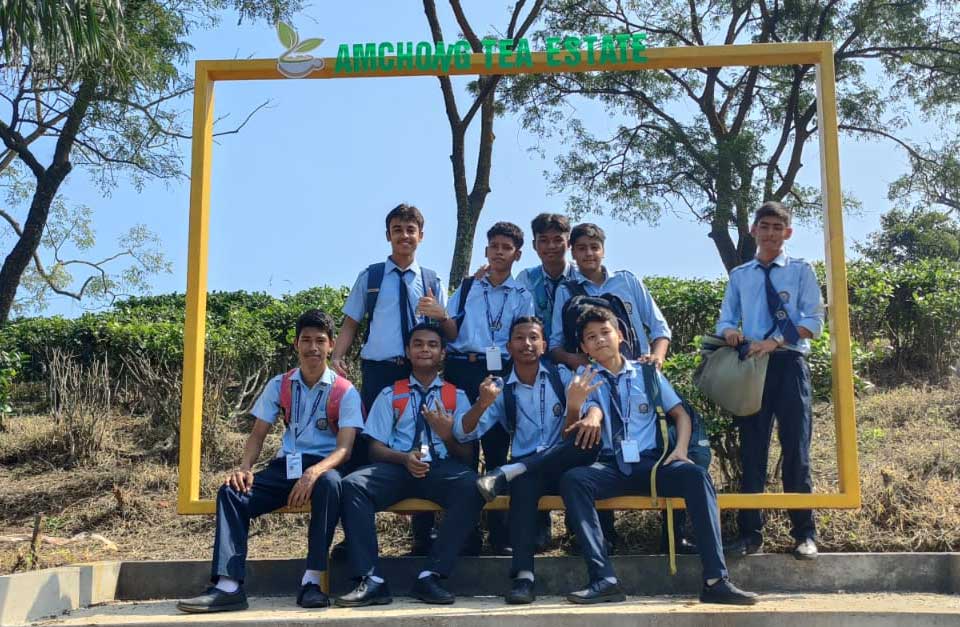
Visiting a tea factory helps students understand the journey from tea leaves to packaged tea. They can learn about withering, rolling, oxidation, and drying processes, plus the machines involved.
Educational Sessions
Organize short presentations explaining the science behind tea processing and the significance of each step in achieving different flavors and qualities.
TEA TASTING AND SENSORY EDUCATION
Tea Tasting Session
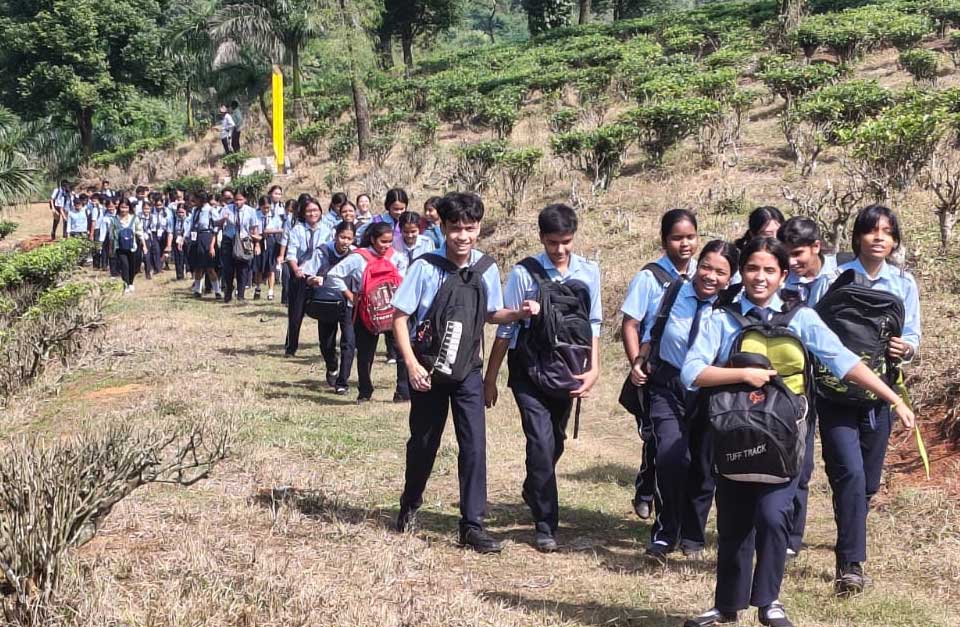
Just like wine tasting, students can learn to appreciate the aroma, flavor, and texture of different teas (such as green, black, oolong). This can also help develop their sensory skills.
Health Benefits of Tea
Introduce them to the nutritional benefits, antioxidants, and other health aspects associated with various teas.
CULTURAL AND HISTORICAL INSIGHTS
History of Tea
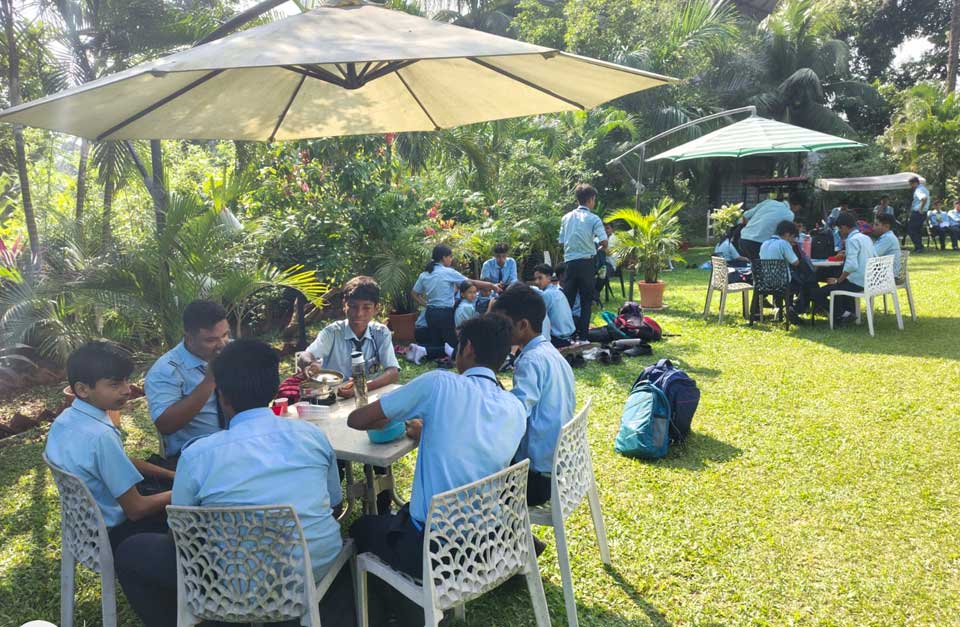
Include storytelling about the origin of tea, the journey of tea trade routes, and its global influence on culture and commerce.
Cultural Experiences
Offer students a glimpse into traditional tea ceremonies or rituals associated with tea-drinking in different cultures.
HANDS-ON ACTIVITIES AND WORKSHOPS
Picking Leaves
Allow students to pick some tea leaves themselves, providing a hands-on experience.
Create Your Own Blend
A fun workshop where students can blend different types of teas, adding herbs or spices, and take home a small sample.
DIY Tea Bags or Potpourri
Craft activities where students can make tea bags or aromatic sachets from dried tea leaves and other ingredients.
ENVIRONMENTAL EDUCATION
Sustainable Farming
Educate students about sustainable farming practices and organic tea cultivation.
Ecosystem Awareness
Highlight how tea plantations interact with local ecosystems and discuss the biodiversity around tea gardens.
TEAM-BUILDING AND FUN ACTIVITIES
Scavenger Hunt
Organize a plantation-based scavenger hunt to make learning interactive and engaging.
Photography or Sketching
Encourage students to capture the scenic beauty of the tea estate through photos or drawings.
SOUVENIR SHOPPING
Tea Products and Crafts
Allow students to explore small local shops or factory outlets where they can purchase tea varieties, locally made teaware, or other memorabilia.
