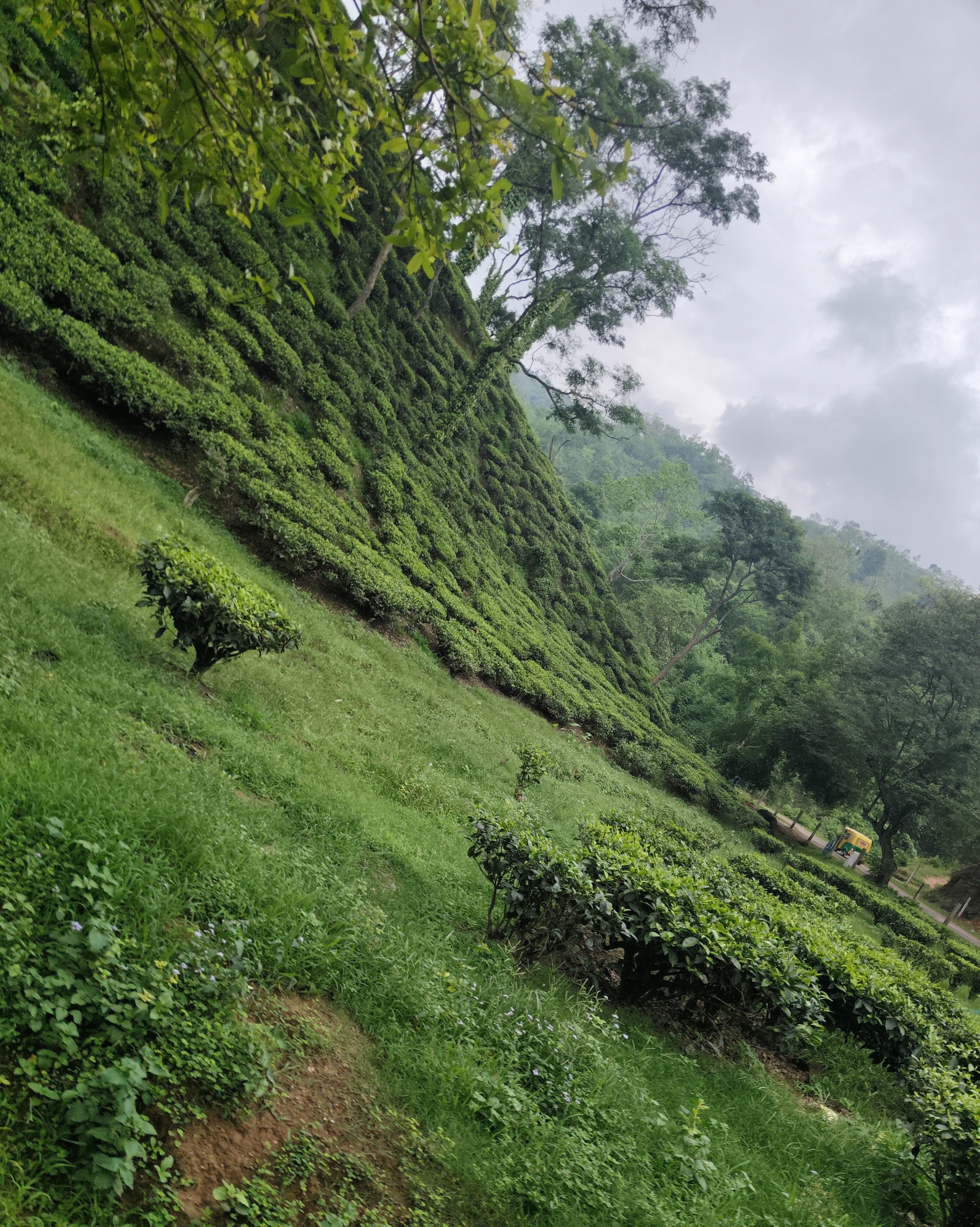
Why Tea Gardens Notice Climate Change Earlier Than Most Industries
Climate change is usually talked about in terms of rising temperatures, melting glaciers, and changes in sea levels. But in reality, the change takes place much earlier in regions that depend on nature in a direct way. A tea garden is one of them. Even before the change is practically felt by different industries, changes take place in a tea garden. In the case of Amchong Hotels and Resorts, the tea garden is not only part of the scenery. Rather, it is a living entity which reacts rapidly to changes in the climate and rainfall. This is why tea gardens are usually the first to indicate changes in climate.
Tea Plants are very sensitive to Weather
Tea trees have very particular requirements in order to thrive. They need proper amounts of sunlight, rainfall, temperatures, and humidity. Small variations in these factors can impact the growing of the leaves, their harvestability, and their final taste. When the temperature slightly increases or the rainfall patterns become uneven, the tea plants respond immediately. Tea leaves can develop at an uneven rate. Tea leaves can also lose their quality. Tea gardens, unlike offices or factories, cannot control the weather. They can only adjust to it.
Effects of Changes in Temperature:
Rain is a major requirement for the growth and development of tea. In the past, regions where tea is cultivated always experienced rains in a predictable manner. This is not the case nowadays. Sometimes, rains may come late, in excess, or earlier than anticipated. In a tea garden, such observations are made almost immediately. Excess rainfall leads to waterlogging or damage to the roots. Lack of rainfall will stress the plants or result in lower crop production. It has a direct effect on the way it operates, and that makes the tea gardens one of the first sectors that are affected by climate change.
Shifting Seasons Disrupt the Tea Cycle
Teagardens function according to natural cycles. There is the time for plucking, the time for pruning, and the time for rest-all in accordance with the voice of the weather. Climate change interferes with these rhythms. Winters may get shorter, summers longer, and monsoons unpredictable. This affects how many times tea can be harvested in a year and how consistent the quality remains. Tea workers also feel the impact, since many workers make their livelihoods based on these cycles.
Increase in Pests and Diseases
Warmer temperatures and fluctuating humidity create ideal conditions for pests and plant diseases. This is quickly made evident in tea gardens. Pests that were once seasonal may start to appear more frequently, or in greater numbers. This drives the tea estates to seek more effective methods to protect plants without harming the ecosystem. Again, delay in actions can't be afforded in the case of tea gardens. The effects are immediate and demand quick responses as well as thoughtful ones.
How Tea Gardens Are Adapting
Tea gardens are not passive spectators. Many are already working to adapt to climate change. Easy but significant measures such as water saving, shade tree plantations, soil management practices, and less use of chemicals help conserve the garden ecosystem. Care for the land and hospitality come together in Amchong. Sustainability is part of life, and this allows the tea garden to remain healthy for years and years to come.
What the Tea Gardens Tell Visitors
Visitors to Amchong Hotel and Resorts are treated to more than what their eyes can see with regard to the tea garden. Visitors to the garden are educated. By strolling through the garden, listening to stories told by the land, and observing natural occurrences, visitors are educated on climate change. However, it serves as a reminder that climate change is no distant phenomenon, it occurs quietly, leaf by leaf, season by season.Tea gardens notice the effects of climate change earlier because they are closely related to nature. They act as warning systems to let us know the implications of nature being out of balance. However, at the same time, they also provide direction on how to move ahead. With care, respect, and sustainable practices, it is possible to protect these areas. In Amchong Hotel and Resorts, the tea garden is a reminder that in order to preserve nature, it is necessary to listen to nature.
